
Introduction
As industries expand into remote areas for construction, mining, and energy projects, the need for efficient and comfortable labor accommodations has become increasingly critical. Traditional labor camps often fall short in providing the necessary facilities and amenities that modern workers require. In this context, container houses have emerged as a viable and innovative solution for labor camp construction. This article explores the myriad benefits of container houses in labor camp setups, focusing on their cost-effectiveness, speed of construction, durability, sustainability, and overall impact on worker well-being.
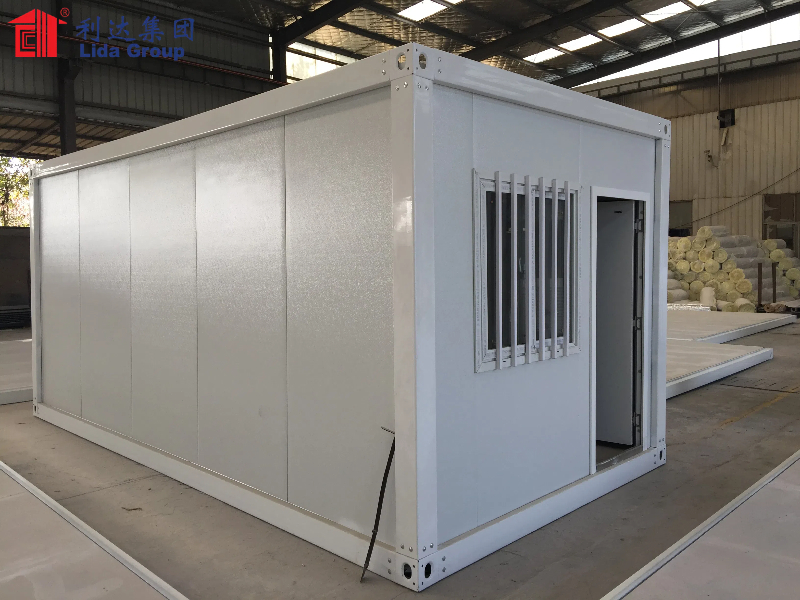
Understanding Container Houses
1. What Are Container Houses?
Container houses are structures built using shipping containers as their primary building material. These containers, originally designed for transporting goods across oceans, are repurposed into functional living spaces. They can be modified and fitted with amenities to create comfortable housing for workers in various industries.
2. The Rise of Container Housing
The popularity of container houses has surged in recent years due to their versatility and practicality. As businesses seek efficient solutions for temporary or permanent labor accommodations, container houses offer a compelling alternative to traditional construction methods.
Key Benefits of Container Houses in Labor Camp Construction
1. Cost-Effectiveness
One of the primary advantages of container houses is their cost-effectiveness:
a. Lower Construction Costs
- Reutilization of Materials: Shipping containers are often available at a lower cost than traditional building materials, making them an economical choice for labor camps.
- Reduced Labor Costs: The construction process for container houses is typically faster and requires fewer labor hours, resulting in overall cost savings.
b. Long-Term Financial Savings
- Durability: Container houses are built to withstand harsh weather conditions, reducing maintenance and repair costs over time.
- Energy Efficiency: With proper insulation, container houses can be energy-efficient, leading to lower utility bills for heating and cooling.
2. Speed of Construction
Time is a crucial factor in labor camp construction, and container houses excel in this area:
a. Rapid Deployment
- Prefabrication: Many container houses are prefabricated off-site, meaning they can be quickly transported and assembled on location.
- Quick Setup: The modular nature of container houses allows for swift assembly, enabling workers to move in sooner and reducing project downtime.
b. Flexibility in Design
- Modular Configurations: Container houses can be easily modified or expanded as needed, allowing for scalable living solutions that can adapt to changing workforce sizes.
- Customization Options: Container houses can be customized to meet specific needs, including the addition of communal areas, bathrooms, and kitchens.
3. Durability and Safety
Container houses are renowned for their strength and resilience:
a. Structural Integrity
- Robust Construction: Shipping containers are designed to withstand the rigors of transportation, making them inherently strong and durable. This strength translates into long-lasting structures that can endure extreme weather conditions.
- Safety Features: Container houses can be equipped with safety features, such as fire-resistant materials and secure locking mechanisms, ensuring the safety of workers.
b. Minimal Maintenance Requirements
- Low Upkeep: The durability of container houses means they require less maintenance compared to traditional buildings, reducing long-term costs and effort.
4. Sustainability
As sustainability becomes a critical concern in construction, container houses offer an environmentally friendly alternative:
a. Recycled Materials
- Repurposing Containers: By repurposing shipping containers, the construction industry can reduce waste and minimize the demand for new materials.
- Lower Carbon Footprint: The use of existing materials lowers the overall carbon footprint associated with new construction.
b. Energy Efficiency
- Insulation Options: Container houses can be outfitted with high-quality insulation materials, improving energy efficiency and reducing heating and cooling costs.
- Renewable Energy Integration: Container houses can easily incorporate renewable energy sources, such as solar panels, further enhancing their sustainability.
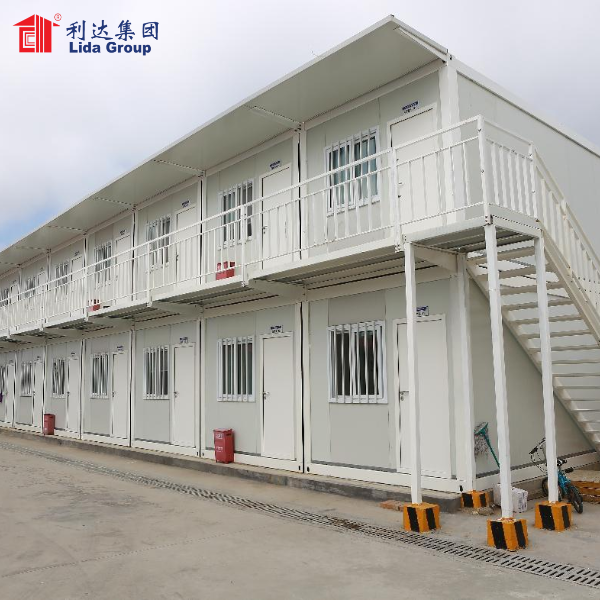
5. Enhanced Worker Well-Being
The living conditions provided by container houses directly impact worker satisfaction and productivity:
a. Comfortable Living Spaces
- Modern Amenities: Container houses can be equipped with modern amenities, including kitchens, bathrooms, and living areas, creating a comfortable environment for workers.
- Privacy: Individual or shared container units can provide workers with the privacy they need to rest and recharge after long working hours.
b. Improved Mental Health
- Community Spaces: Container house designs can include communal areas for social interaction, fostering a sense of community among workers.
- Better Quality of Life: Comfortable and well-designed living spaces contribute to improved mental well-being, which can enhance overall productivity.
Real-World Applications of Container Houses in Labor Camps
Case Study 1: Construction Site Labor Camp
Overview: A construction company working on a large infrastructure project required temporary housing for hundreds of workers.
Key Features:
- Modular Container Units: The project utilized modular container units that were quickly assembled on-site.
- Common Areas: Container houses included shared kitchen and dining facilities, promoting social interaction among workers.
Results: The labor camp was established within weeks, allowing the project to proceed without delay and improving worker satisfaction.
Case Study 2: Mining Operation Housing
Overview: A mining company needed durable housing for workers in a remote location with extreme weather conditions.
Key Features:
- Insulated Containers: Container houses were fitted with high-quality insulation to withstand cold temperatures.
- Resilient Design: The design included reinforced structures to handle harsh environmental conditions.
Results: The container houses provided safe and comfortable accommodations, significantly reducing worker turnover and ensuring project continuity.
Case Study 3: Renewable Energy Project
Overview: A renewable energy company required temporary housing for workers involved in the installation of a solar farm.
Key Features:
- Sustainable Practices: The project utilized eco-friendly materials and incorporated solar panels into the container house designs.
- Community Engagement: The layout included communal spaces for relaxation and socializing, enhancing team cohesion.
Results: The labor camp not only met housing needs but also reinforced the company’s commitment to sustainability and worker welfare.
Overcoming Challenges in Container House Construction
While container houses offer many advantages, there are challenges to consider:
1. Regulatory Compliance
Building regulations can pose challenges when implementing container houses:
- Zoning Laws: Understanding local zoning laws and building codes is essential for successful deployment.
- Permitting Processes: Navigating the permitting process can be time-consuming, requiring careful planning and adherence to regulations.
2. Climate Considerations
Container houses must be designed to perform well in various climates:
- Insulation Needs: Proper insulation is necessary to maintain comfortable indoor temperatures in extreme weather conditions.
- Ventilation: Effective ventilation systems are vital for ensuring air quality and comfort in container houses.
3. Infrastructure and Utilities
Container houses require access to essential services:
- Utilities Setup: Proper planning for water, electricity, and sewage systems is necessary to support the camp’s operations.
- Transportation Access: Ensuring that the site is accessible for the transport of materials and workers is crucial for efficient operations.
The Future of Container Housing in Labor Camps
1. Technological Innovations
The future of container housing will be shaped by technological advancements:
- Smart Home Technologies: Integrating smart technologies can enhance energy management, security, and communication within labor camps.
- Advanced Modular Systems: Innovations in modular construction techniques will lead to even faster production times and improved designs.
2. Sustainability Trends
As environmental concerns grow, the focus on sustainability in container housing will increase:
- Energy Efficiency: Future designs will prioritize energy-efficient systems, reducing the carbon footprint of labor camps.
- Sustainable Materials: The use of eco-friendly and recyclable materials will become standard practice in container house construction.
3. Customization and Personalization
The demand for personalized living spaces will continue to rise:
- Cultural Sensitivity: Future designs will take into account the cultural backgrounds of workers, creating spaces that feel more like home.
- Enhanced Amenities: Offering additional amenities such as gyms, recreational areas, and communal kitchens will become more common.
Conclusion
Container houses represent a transformative solution for labor camp construction, offering numerous benefits that address the challenges faced by traditional accommodations. Their cost-effectiveness, speed of construction, durability, and sustainability make them an ideal choice for various industries requiring temporary or permanent housing for workers.
As businesses continue to expand into remote areas, the importance of comfortable and efficient living solutions will only grow. By prioritizing worker well-being and sustainability, container houses provide a pathway to improved living conditions, increased productivity, and enhanced morale among workers.
In this evolving landscape, container houses are not just a trend; they are a sustainable and practical solution for the future of labor camp accommodations. By embracing this innovative approach, companies can ensure that their workforce is well-supported, safe, and satisfied in their living environments, ultimately contributing to their overall success.
Contact Us
Post time: Dec-14-2024