
Introduction
In today’s fast-paced industrial environment, the demand for efficient and comfortable labor accommodations has never been greater. Industries such as construction, mining, and energy frequently require temporary housing for workers in remote locations, where traditional living arrangements may not be feasible. Prefabricated (prefab) houses have emerged as a smart solution to meet these needs, offering numerous advantages over conventional construction methods. This article explores the benefits of prefab houses for labor camps, their impact on worker well-being, and their role in shaping the future of temporary housing solutions.
Understanding Prefab Houses
1. Definition and Overview
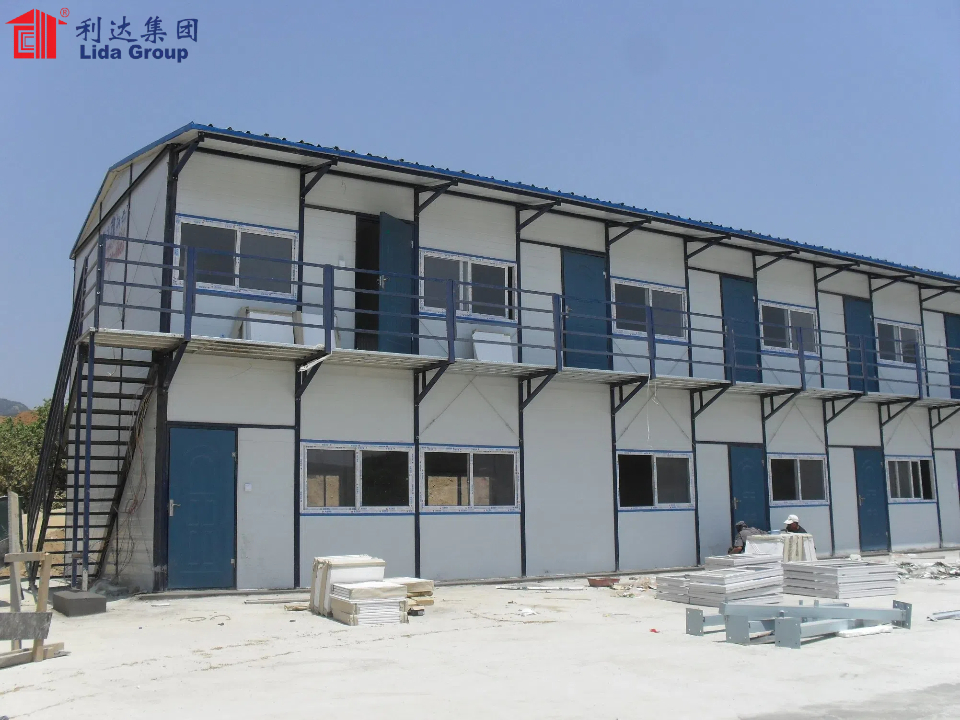
Prefab houses are structures built from pre-manufactured components that are assembled on-site. These components can include walls, roofs, and floors, all produced in a factory setting, which allows for greater control over quality and efficiency. The use of prefab technology has revolutionized construction practices, providing a faster and more sustainable approach to building.
2. The Rise of Prefab Housing
The popularity of prefab houses has surged in recent years, driven by the need for quick and efficient housing solutions, especially in labor-intensive industries. Prefab construction supports the growing trend towards modular and sustainable building practices, making it an ideal choice for labor camps.
Advantages of Prefab Houses for Labor Camps
1. Speed of Construction
One of the most significant benefits of prefab houses is their rapid construction timeline:
a. Quick Assembly
- Factory Production: Components are manufactured off-site, allowing for simultaneous site preparation and construction, drastically reducing overall project timelines.
- Rapid Deployment: Prefab houses can often be assembled in a matter of days, enabling workers to move in quickly and reducing project delays.
b. Immediate Occupancy
- Minimal Downtime: The fast setup of prefab houses means that labor camps can be operational almost immediately, ensuring that projects remain on schedule.
2. Cost-Effectiveness
Prefab houses offer substantial cost savings compared to traditional construction methods:
a. Lower Labor Costs
- Reduced On-Site Labor: Since much of the work is done in a factory setting, the need for extensive on-site labor is minimized, leading to lower labor costs.
- Less Waste: The precision of factory manufacturing reduces material waste, contributing to overall cost efficiency.
b. Long-Term Savings
- Durability: Prefab houses are built to last, reducing maintenance and repair costs over time.
- Energy Efficiency: Many prefab designs prioritize energy efficiency, leading to lower utility bills for heating and cooling.
3. Enhanced Comfort and Quality
Worker comfort is critical for productivity and morale:
a. Modern Amenities
- Well-Designed Spaces: Prefab houses can be equipped with modern amenities, including kitchens, bathrooms, and communal areas, creating a comfortable living environment.
- Personal Space: Individual units can offer privacy, allowing workers to relax and recharge after long shifts.
b. Quality Construction
- Controlled Environment: Factory production allows for better quality control, ensuring that materials and construction meet high standards.
- Customizable Designs: Clients can choose layouts and features that best suit their workforce, enhancing overall satisfaction.
4. Flexibility and Scalability
Prefab houses provide remarkable flexibility:
a. Modular Design
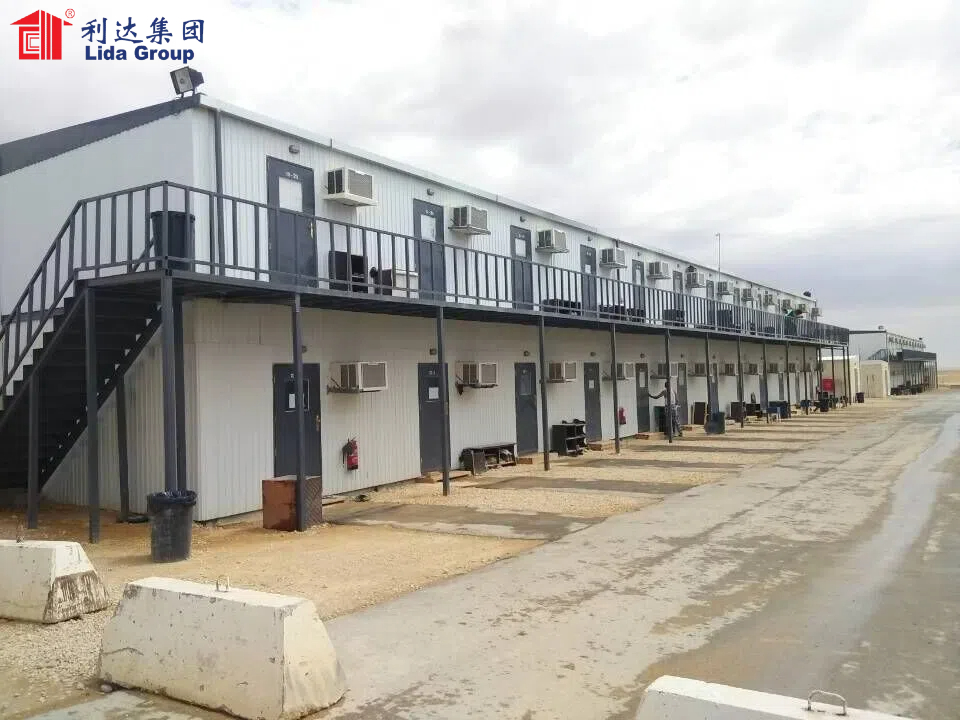
- Easy Expansion: Modular units can be added or removed based on changing workforce needs, making it easy to scale the labor camp as required.
- Custom Configurations: The layout can be tailored to fit specific site requirements or project demands.
b. Adaptability
- Reconfiguration: As project needs evolve, prefab houses can be reconfigured to accommodate different functions, from sleeping quarters to common areas.
- Versatile Use: Beyond labor camps, prefab houses can be repurposed for other uses, such as offices or storage spaces.
5. Sustainability
In an era of increasing environmental awareness, prefab houses stand out for their sustainability:
a. Eco-Friendly Materials
- Sustainable Construction: Many prefab houses are built using eco-friendly materials, reducing the environmental impact of construction.
- Recyclability: Components can often be recycled or reused, minimizing waste.
b. Energy Efficiency
- Lower Energy Consumption: Prefab designs often incorporate energy-efficient systems, such as insulation and HVAC solutions, reducing overall energy consumption.
- Renewable Energy Integration: Prefab houses can easily accommodate solar panels and other renewable energy sources, further enhancing sustainability.
6. Safety and Compliance
Safety is paramount in labor camp construction:
a. Regulatory Compliance
- Adherence to Standards: Lida Group and other prefab manufacturers ensure that their products meet local building codes and safety regulations, providing peace of mind for employers.
- Quality Assurance: The factory-controlled process minimizes the risk of construction defects that can lead to safety issues.
b. Safe Living Environment
- Resilience: Prefab houses are designed to withstand various environmental conditions, offering a safe haven for workers in remote locations.
- Secure Facilities: Many prefab designs incorporate safety features, such as fire-resistant materials and secure entry points.
The Impact of Prefab Houses on Worker Well-Being
1. Improving Morale
Comfortable living conditions directly affect worker morale:
- Quality of Life: Well-designed prefab houses contribute to a higher quality of life for workers, promoting satisfaction and well-being.
- Community Building: Common areas within prefab labor camps foster social interaction, creating a sense of community among workers.
2. Boosting Productivity
When workers are comfortable and satisfied, productivity often increases:
- Reduced Turnover: Improved living conditions lead to higher retention rates, saving companies money on hiring and training new staff.
- Enhanced Focus: A comfortable and safe environment allows workers to concentrate on their tasks without the distractions of inadequate housing.
3. Supporting Health and Safety
Health and safety are essential for a productive workforce:
- Access to Amenities: Many prefab houses include necessary amenities that promote healthier living conditions, such as kitchens for preparing meals.
- Mental Health Support: Private living spaces contribute to better mental health, allowing workers to recharge after long hours.
Real-World Applications of Prefab Houses in Labor Camps
Case Study 1: Construction Site Labor Camp
Overview: A large construction firm required temporary housing for workers on a significant infrastructure project.
Key Features:
- Modular Units: The design included individual living units with shared communal facilities.
- Quick Setup: The prefab houses were assembled rapidly, allowing workers to move in within weeks.
Results: The labor camp improved worker satisfaction and productivity, contributing to the timely completion of the project.
Case Study 2: Mining Operation Housing
Overview: A mining company sought durable and portable housing for workers in a remote location.
Key Features:
- Resilient Design: The prefab houses were built to withstand harsh weather conditions typical of mining areas.
- Health Facilities: Container units were modified to include health and wellness facilities for workers.
Results: The labor camp provided comfortable accommodations, reducing turnover and ensuring a stable workforce.
Case Study 3: Renewable Energy Project
Overview: A renewable energy company needed temporary housing for workers involved in a solar farm installation.
Key Features:
- Sustainable Practices: The prefab houses were constructed using eco-friendly materials and designed for energy efficiency.
- Community Engagement: Common areas were created to foster team-building and collaboration among workers.
Results: The labor camp met housing needs and reinforced the company’s commitment to sustainability and worker well-being.
Overcoming Challenges in Prefab Housing Implementation
1. Regulatory Compliance
Building regulations can pose challenges when implementing prefab houses:
- Zoning Laws: Understanding and complying with local zoning laws is crucial for successful deployment.
- Building Codes: Ensuring that prefab houses meet safety and health standards is essential, requiring thorough planning and design.
2. Climate Considerations
Prefab houses must be designed to perform well in various climates:
- Insulation: Proper insulation is necessary to maintain comfortable indoor temperatures in extreme weather conditions.
- Ventilation: Effective ventilation systems are vital for ensuring air quality and comfort.
3. Infrastructure and Utilities
Prefab houses require access to essential services:
- Utilities Setup: Proper planning for water, electricity, and sewage systems is necessary to support the camp’s operations.
- Transportation Access: Ensuring that the site is accessible for the transport of materials and workers is crucial for efficient operations.
The Future of Prefab Houses in Labor Camps
1. Technological Advancements
The future of prefab housing will be shaped by technological innovations:
- Smart Technologies: Integrating smart home technologies can enhance energy management, security, and communication within labor camps.
- Modular Manufacturing: Advances in modular construction techniques will lead to even faster production times and improved designs.
2. Sustainability Trends
As environmental concerns grow, the focus on sustainability in labor camp housing will increase:
- Energy Efficiency: Future designs will prioritize energy-efficient systems, reducing the carbon footprint of labor camps.
- Sustainable Materials: The use of eco-friendly and recyclable materials will become standard practice in prefab house construction.
3. Customization and Personalization
The demand for personalized living spaces will continue to rise:
- Cultural Sensitivity: Future designs will take into account the cultural backgrounds of workers, creating spaces that feel more like home.
- Enhanced Amenities: Offering additional amenities such as gyms, recreational areas, and communal kitchens will become more common.
Conclusion
Prefab houses represent a transformative approach to labor camp living, offering tailored solutions that address the diverse needs of workers while promoting sustainability and comfort. Their modular design, cost-effectiveness, and adaptability make them an ideal choice for various industries facing the challenges of housing remote labor forces.
As industries continue to evolve, the importance of innovative housing solutions like prefab houses will only increase. By prioritizing worker well-being and sustainability, companies can create environments that foster productivity and satisfaction, ultimately contributing to their success.
In this context, the future of labor camps looks promising, with prefab houses leading the way in providing efficient, comfortable, and sustainable living solutions for workers around the globe. As businesses seek to enhance their operational capabilities and improve worker conditions, prefab houses will play a pivotal role in shaping the next era of labor camp accommodations.
Contact Us
Post time: Dec-16-2024